Home / Research
Research Hub

The Science of Nutrient-Dense Food

Exploring the evidence connecting soil biology, farming practice, and human nutrition — drawn from 3,000+ peer-reviewed studies.

200×
Antioxidant variation within the same crop type
Growing Health · 2026
69%
Higher polyphenols in organically grown crops
Barański et al., 2014 — 343-study meta-analysis
56%
More omega-3 fatty acids in organic vs conventional milk
47%
More omega-3 in organic vs conventional meat
96%
of UK adults failing fibre intake recommendations
National Diet & Nutrition Survey
£268bn
Annual cost of diet-related disease in the UK
cf. total NHS spend ~£292bn/yr
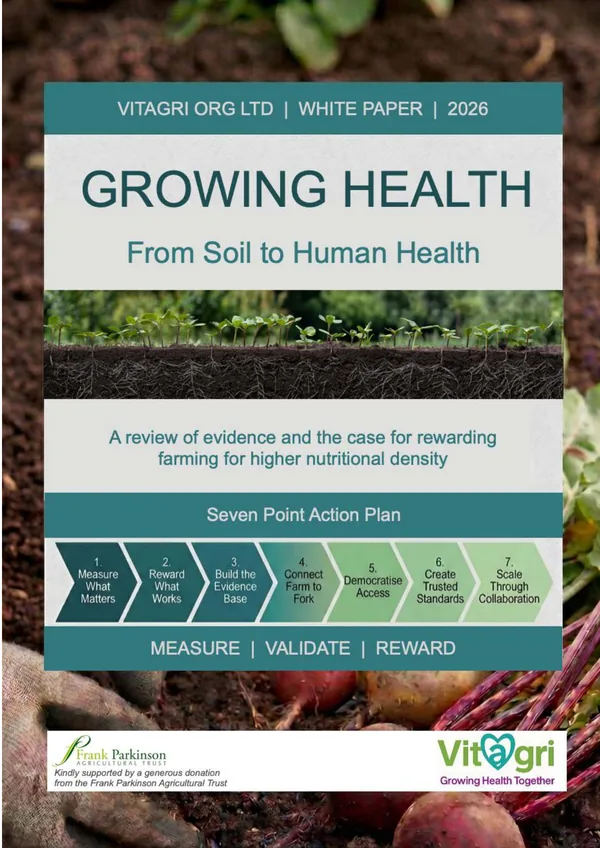
Growing Health white paper cover

Growing Health: From Soil to Human Health

Our 51-page white paper synthesises over 3,000 peer-reviewed studies into a practical framework for the UK food system. Four-layer Living System analysis: The Reality, The System, The Evidence, and The Invitation.

51 pages 150 references 3,000+ papers reviewed
Exploring the Evidence Base

Each topic draws directly from the Growing Health white paper. Full citations at vitagri.org/references.

How Soil Biology Shapes Food Nutrition

Healthy, biologically active soil produces more nutrient-dense food. The science is clear: soil microbial diversity, organic matter content, and mineral availability all directly influence the vitamin, mineral, and polyphenol content of crops.

  • Antioxidant levels vary up to 200-fold within the same crop type
  • Soil microbial diversity directly shapes phytonutrient synthesis
  • Mineral bioavailability depends on fungal and bacterial networks
  • Compaction and tillage degrade soil biology and nutritional outcomes
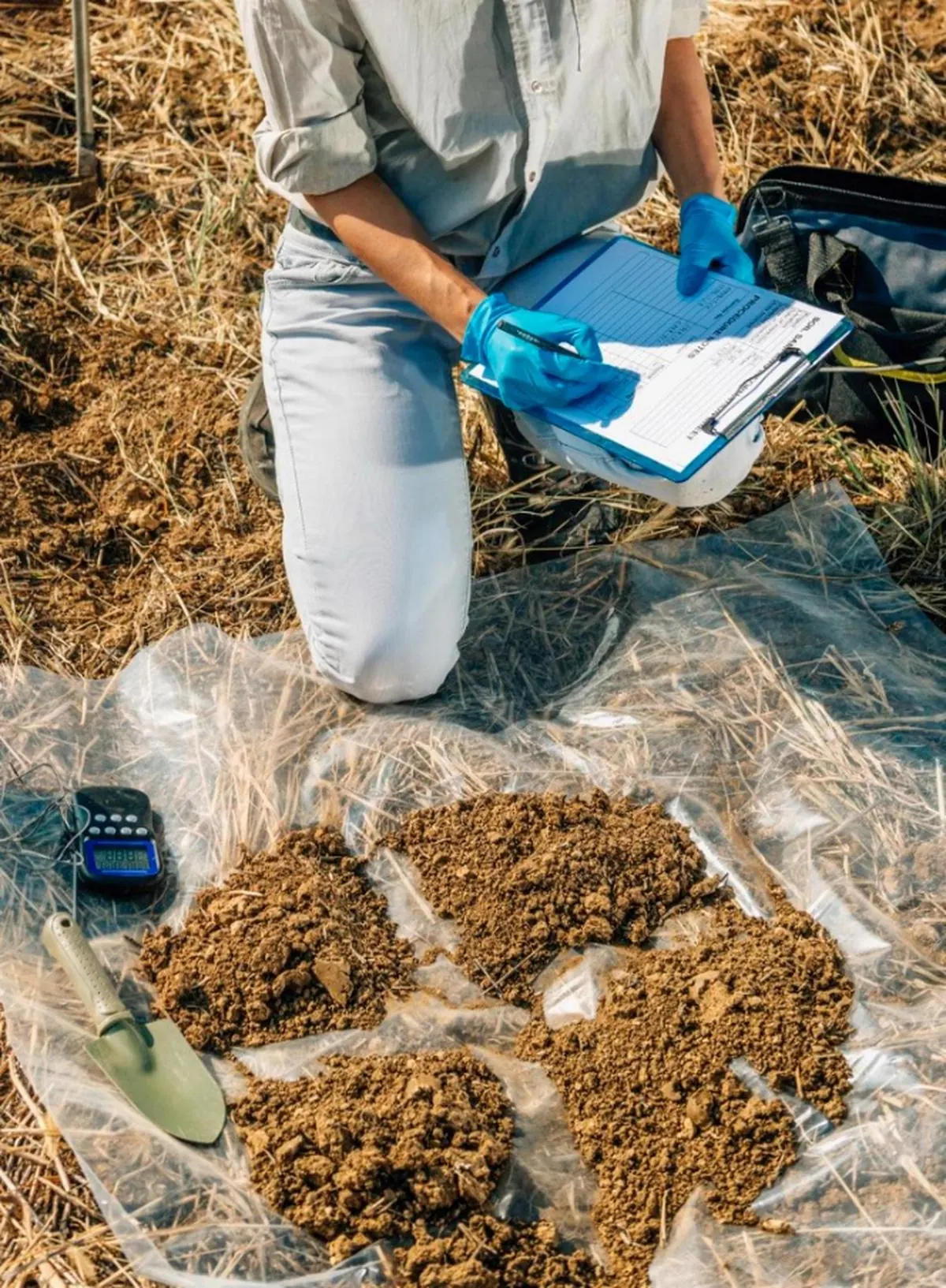
Soil testing in the field
Nutrient-dense vegetables

The UK's Diet-Related Disease Crisis

Diet-related chronic disease is the defining public health crisis of our time. The UK faces both a quantity challenge and a quality challenge: people are not eating enough of the right foods, and the food available is less nutrient-dense than it should be.

  • £268bn per year — annual cost of diet-related disease (cf. £292bn NHS spend)
  • 96% of UK adults fail to meet fibre intake recommendations
  • Polyphenols, omega-3s, and minerals are linked to reduced chronic disease risk
  • Upstream food quality improvements can reduce downstream health costs

Farming Practice Determines Nutritional Density

Regenerative agriculture encompasses farming practices that restore and enhance soil health, biodiversity, and ecosystem function: minimal tillage, cover cropping, diverse rotations, and integrated livestock. Vitagri's evidence review shows that soil biology — shaped by these practices — is the primary determinant of nutritional density in food.

Market Failure & the Missing Measurement Framework

The current UK food system rewards volume over quality. No credible framework exists to measure, verify, and reward nutrient-dense food production at farm level. Price signals do not capture nutritional value, so farmers have no market incentive to optimise for nutrition.

Vitagri is building the infrastructure to fix this. By creating trusted measurement protocols, verification pathways, and market signals, we can reconnect farming, nutrition, and human health.

Read the Full Evidence Base

The Growing Health white paper presents all 150 citations in full. Free to download.